Blog post 1
summary




The Lake Management (LMC) is a team of Prairie Crossing Homeowners who volunteer their time and technical expertise to research, evaluate, and assess the conditions of the lake; provide related recommendations to the HOA Board for ongoing stewardship of the lake; and assist with implementation of measurement and maintenance activities related to the lake.

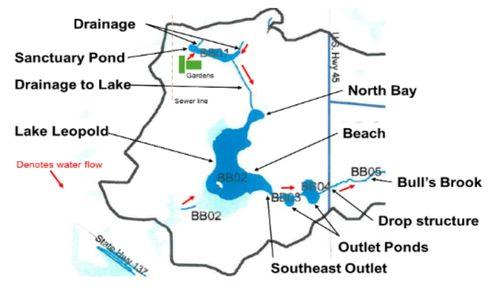
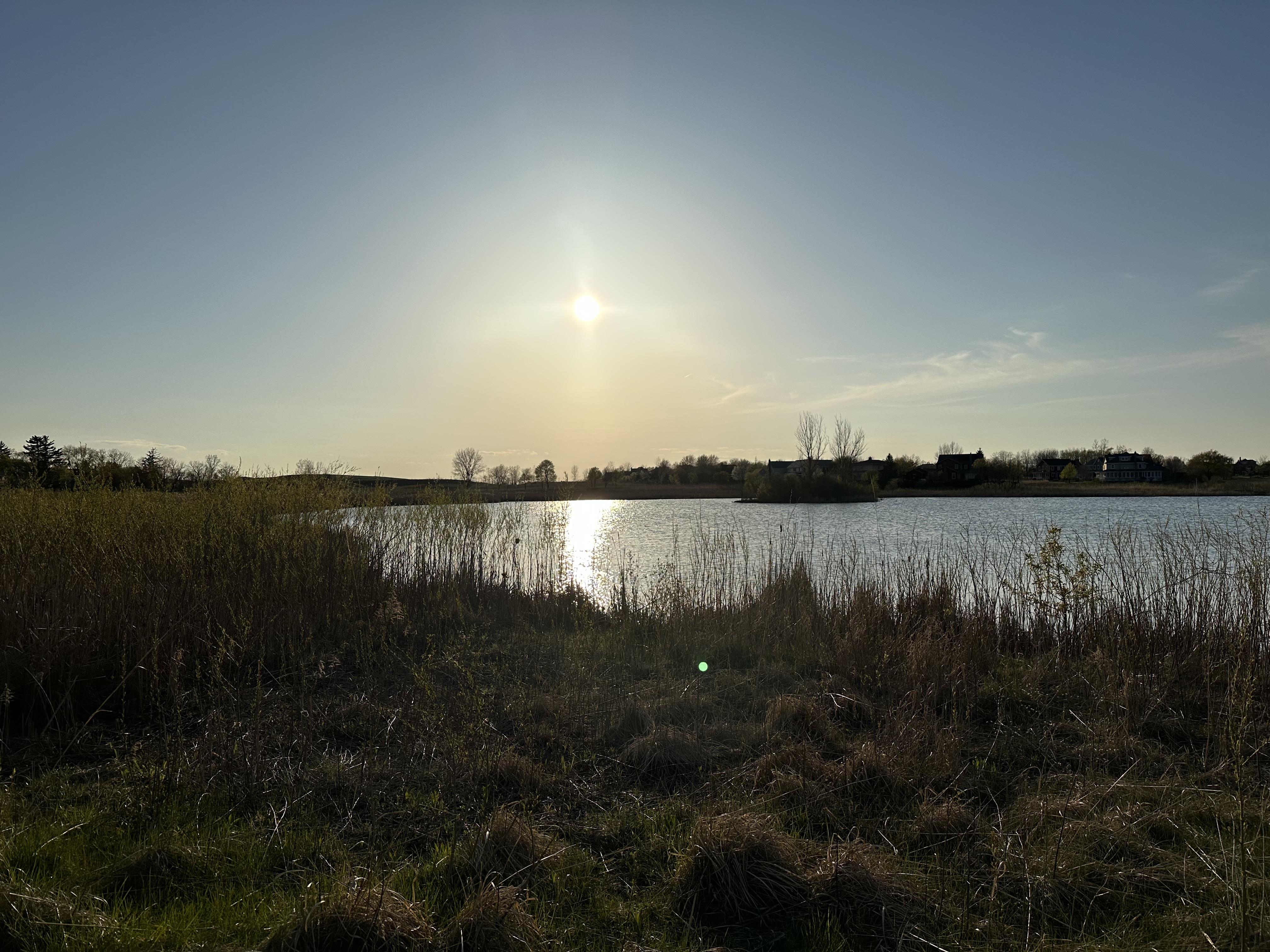
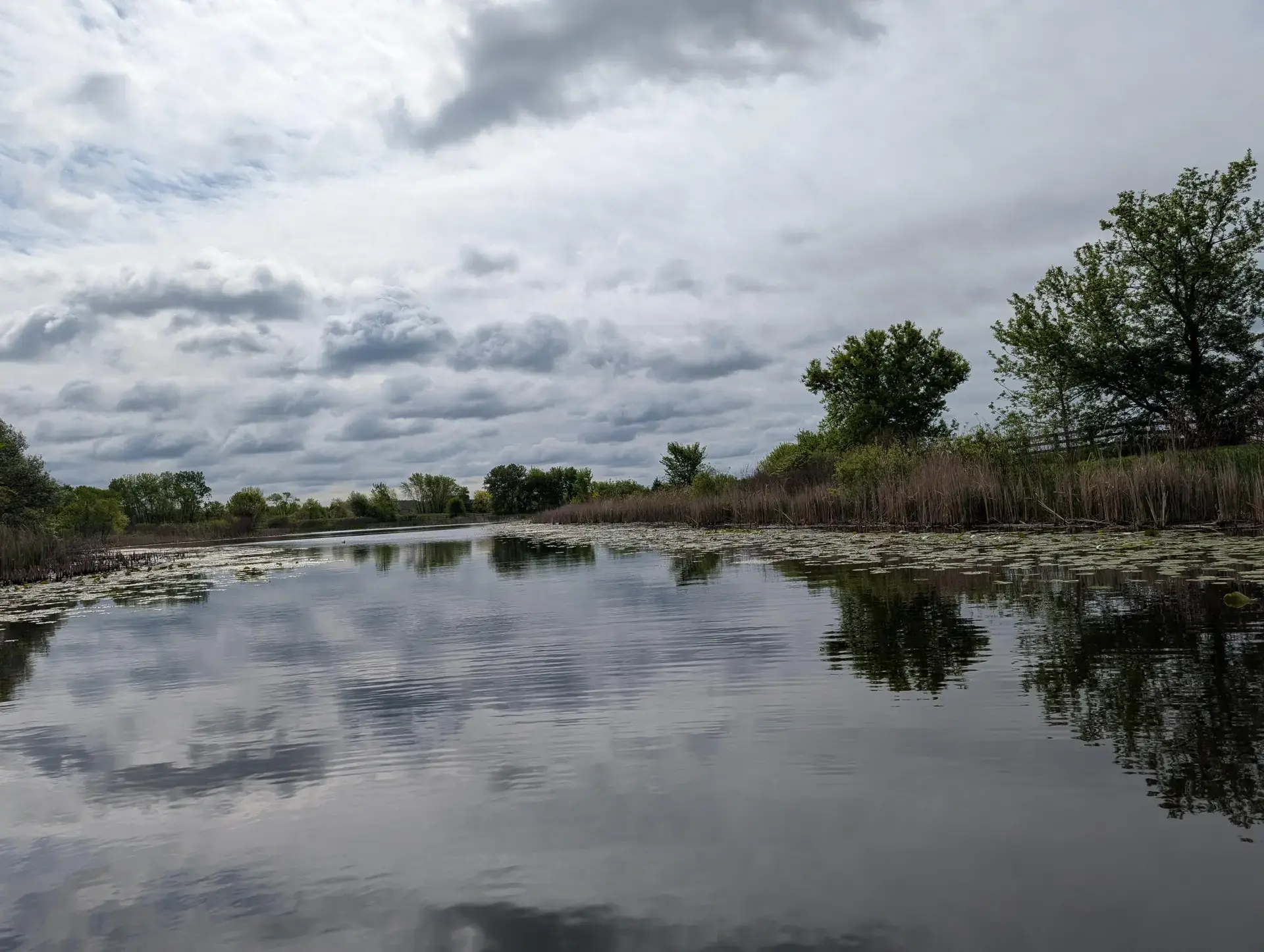
Lake Leopold is a 20-acre lake that was excavated from local farmland in 1995 and was originally filled with water from the local freshwater aquifer. Subsequently, the water source for the lake has been stormwater runoff from the immediate watershed occupied by the surrounding Prairie Crossing residential subdivision.
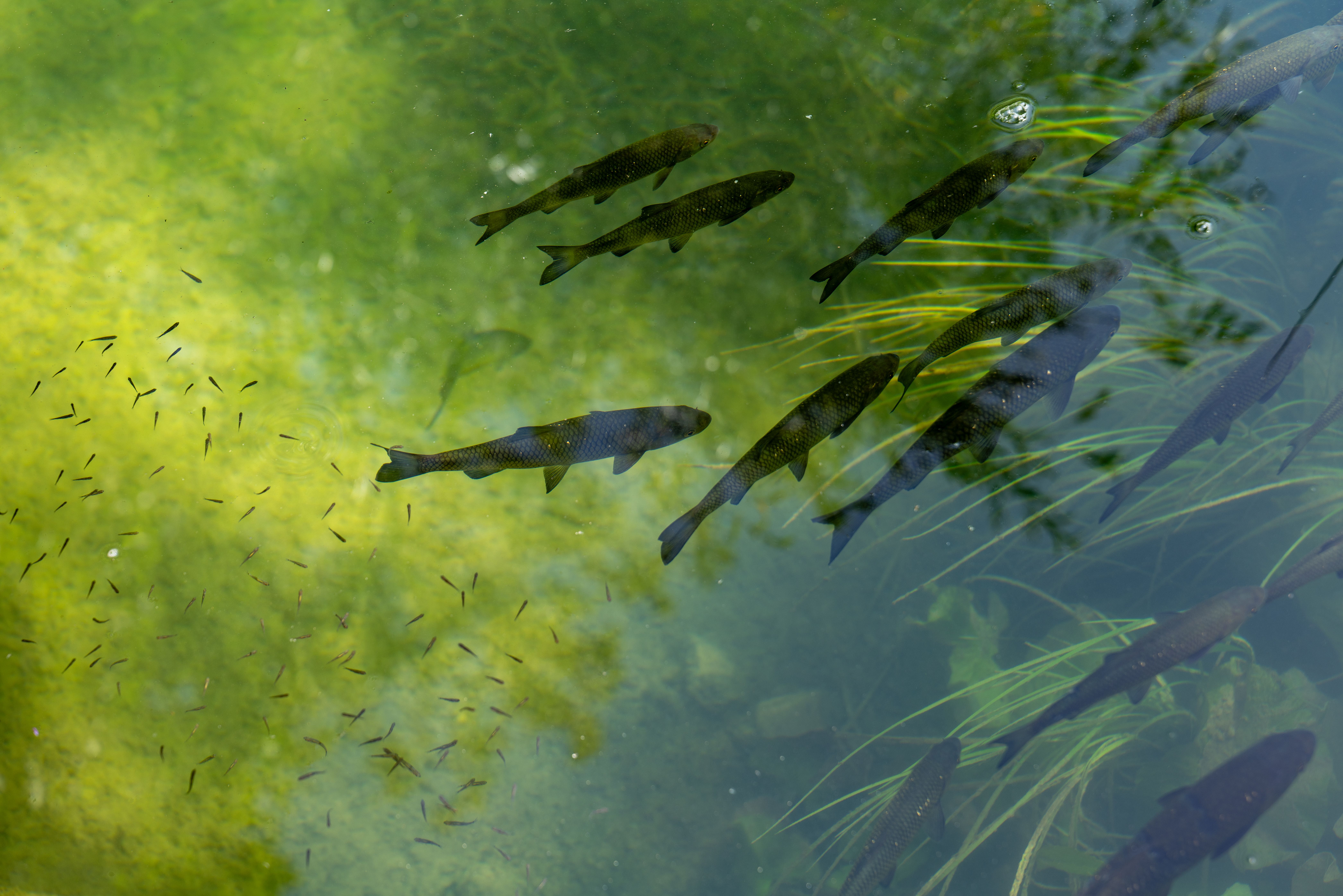
Overflow from the lake is buffered by two outlet ponds, Second Pond (1 acre) and Third Pond (2 acre), and overflows into Bulls Brook, a dry creek in the Liberty Prairie. During dry spells the lake flow is stagnant and lacks any overflow; the lake has an estimated retention time of 2-3 years. At the headwaters of the lake is Sanctuary Pond, which was created as a habitat for several endangered and threatened fish species.
The lake has multiple uses. Its primary function of stormwater management is complemented by the viewscape that it provides to enhance the community’s aesthetics. It also has recreational uses: light boating, sport fishing, and swimming.
The most recent assessment of lake conditions was done in 2025 by PCHOA volunteers using equipment borrowed from Lake County Lake Lovers through a grant from water quality instrumentation manufacturer Xylem / YSI, by professionals from PCHOA’s environmental engineering partner Hey and Associates, and by staff from aquatics services partner ILM Environments.
A presentation focused on the water quality aspects of this assessment activity was made at the 2026 Illinois Lake Management Association Conference. It describes the effects of internal nutrient loading, which appears to be a key driver of our lake’s water conditions. These results will be helpful in guiding future appropriate treatment of the lake.

n addition to the water quality results, two aquatic plant surveys were conducted. These will guide future treatments to manage nutrients and invasive species, as well as suggest cultivation of native plant species. Disciplined monitoring of aquatic plant growth enables a more targeted treatment approach, which can limit the amount of chemicals used.


A comprehensive map was also made of the water depth and sediment thickness.


An OWNERS’ MANUAL describing necessary and desirable lake activity to maintain water quality has been prepared.


Lake County Health Department’s Ecological Services team performed a study of the lake during the 2022 season. LCHD assesses Lake County lakes on an approximately 5-year rotating schedule.

Since the inception of the lake, regular monthly water quality measurements were taken to follow its evolution for 10 years, from 1995-2004. This provides a valuable baseline for comparison of current water conditions.
On behalf of the Illinois Public Health Department, the Lake County Health Department's Ecological services group measures bacteria at the Lake Leopold swimming beach twice a month during the swimming season between Memorial Day and Labor Day. This information is reported on the Illinois Beach Guard website: https://www.idph.state.il.us/envhealth/ilbeaches/public/
Additionally, like some other lakes in the county, PCHOA has an account with LCHD laboratory services to measure bacteria counts after a strong rainfall which washes material into the water which potentially creates at-risk swimming conditions. The county lab will perform measurements, collecting water samples is the responsibility of the PCHOA.
As a precaution, harmful algae bloom (HAB) cyanotoxin detection tests are performed weekly during the swimming season during periods when algae and plants are flourishing in the lake. Tests are performed by PCHOA volunteers and results are reported to the Board and property manager prior to the weekend. If conditions indicate, an email blast is sent to homeowners. If required, additional water samples to enable laboratory testing to further assess the risk is available using state and commercial laboratories.
Anyone is welcome to join the committee or volunteer.

Chair

Member
Board Liaison
Member
Member
Member
Member
Resources

Foster Premier, Inc.
750 W. Lake Cook Rd., Suite 190
Buffalo Grove, IL 60089